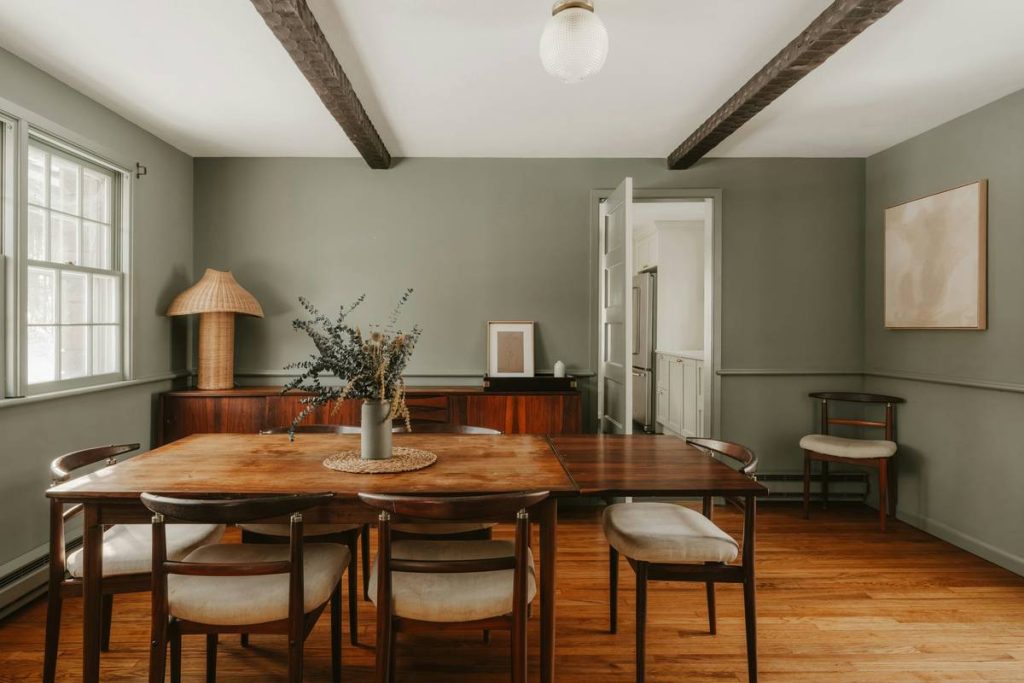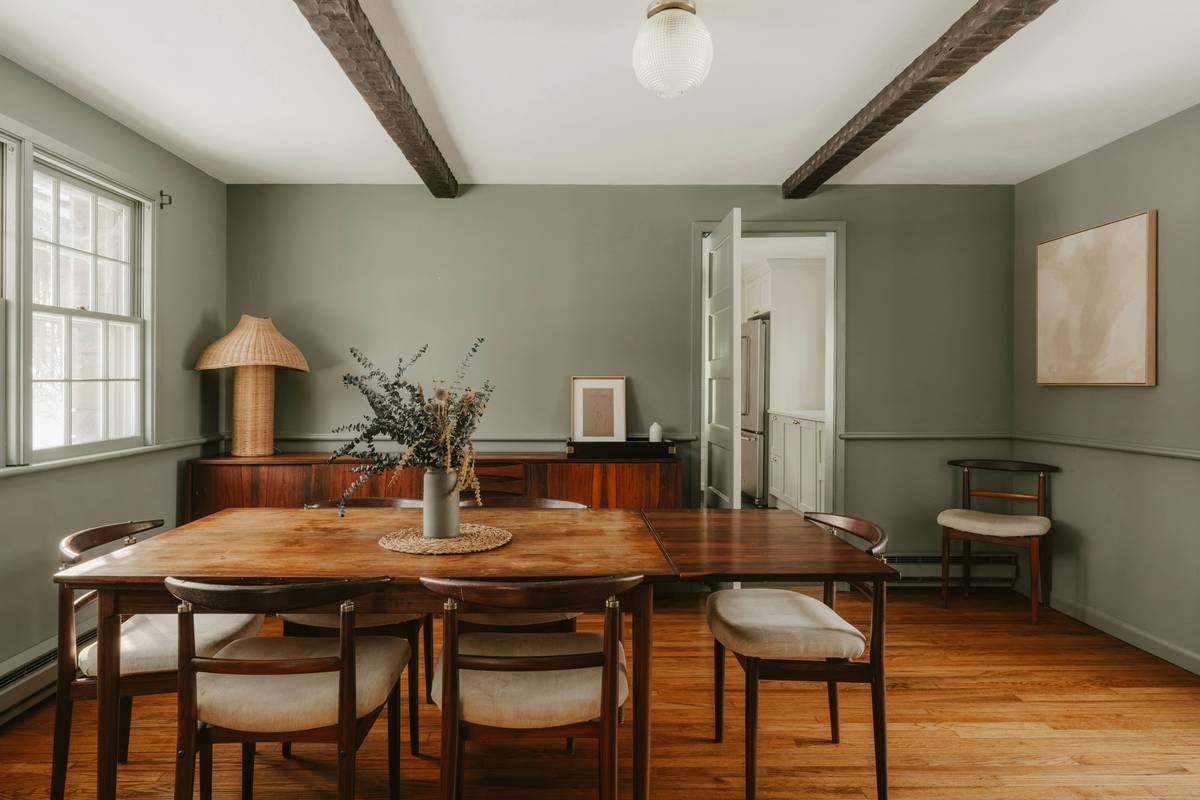
Ever sat down on a beautifully distressed farmhouse dining chair—only to hear a soft creak, then a worrying shift as one leg sank half-an-inch into your hardwood floor? I did. Last spring, I installed four hand-hewn trestle table legs I’d sourced from a local mill—proud of the “authentic” look—only to realize too late that the leg profiles were mismatched in taper and foot depth. The table wobbled every time someone leaned in for gravy. No amount of folded napkins under the short leg fixed it. That’s when I learned: farmhouse style furniture legs aren’t just decorative—they’re the silent structural architects of rustic integrity.
This guide cuts through the Pinterest-perfect hype. We’ll cover why leg design matters more than finish or wood species in true farmhouse build quality—and how to pair legs like a pro, not a Pinterest pin-scorer. You’ll walk away knowing exactly how to source, measure, and install legs that anchor character *and* stability.
Table of Contents
- Why Farmhouse Style Furniture Legs Matter More Than You Think
- Step-by-Step Guide to Selecting & Installing Farmhouse Style Furniture Legs
- 5 Best Practices for Long-Term Stability & Aesthetic Harmony
- Real Examples: How Leg Choice Transformed Two DIY Builds
- FAQs About Farmhouse Style Furniture Legs
Why Farmhouse Style Furniture Legs Matter More Than You Think
In Home Improvement, furniture legs are often an afterthought—tacked on at the end like optional hardware. But in farmhouse design, where weight, texture, and intentional imperfection define the aesthetic, legs carry structural *and* semantic weight. They signal whether a piece reads as heirloom-quality or fast-furniture dressed up with chalk paint.
Consider this: according to the 2023 Furniture Materials Report by FurnInfo, nearly 68% of consumers who returned rustic furniture cited “uneven leg height or poor joinery” as the top functional flaw—not color, not finish. That stat gut-punched me. It confirmed what my own wobbling table whispered: craftsmanship starts at the ground.
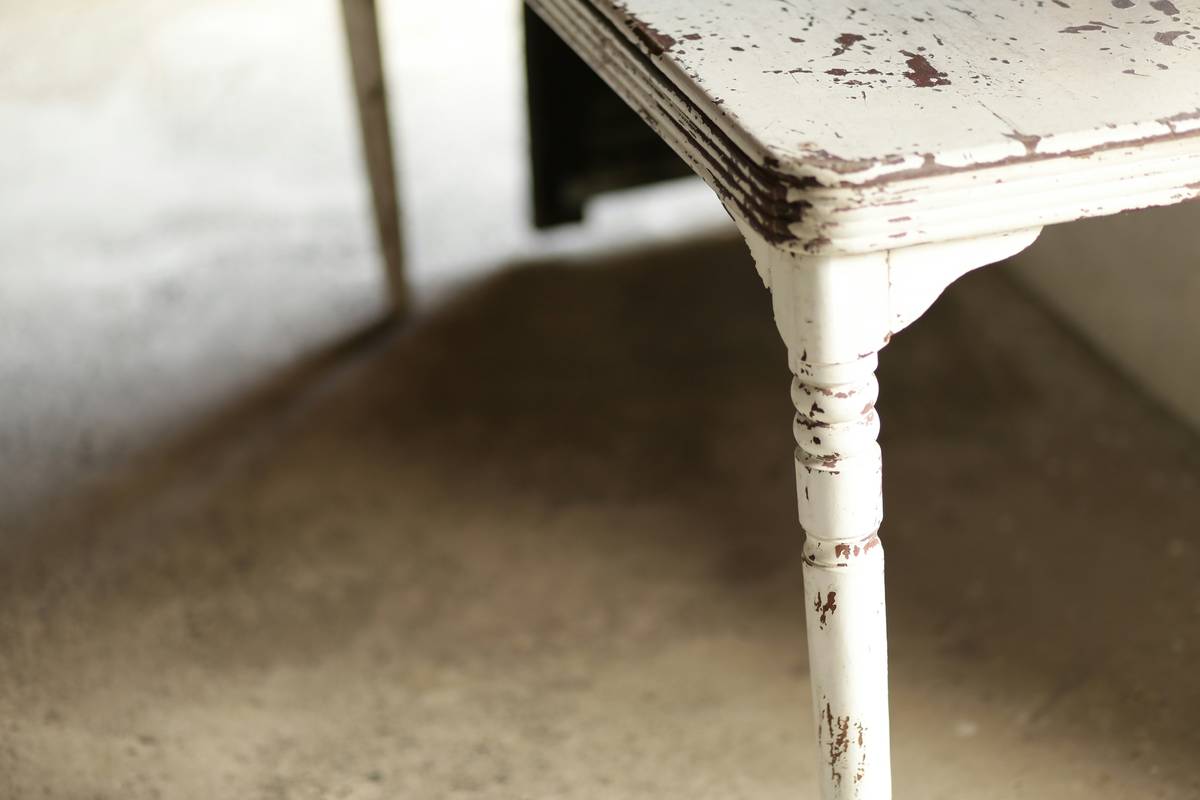
The truth is, farmhouse style furniture legs set the visual rhythm. A chunky turned leg grounds a delicate spindle-back chair; a tapered square leg adds quiet modernity to a reclaimed-wood cabinet without betraying its roots. Ignore them, and even the most authentic barn-wood tabletop feels unmoored.
Step-by-Step Guide to Selecting & Installing Farmhouse Style Furniture Legs
1. Measure Your Load & Layout First
Before ordering anything, calculate total load (furniture weight + expected use). A farmhouse dining table bearing 4–6 people needs legs rated for at least 250 lbs each—at minimum. Use a digital scale to weigh your assembled carcass if possible. Don’t guess.
2. Match Profile to Purpose
Turned legs suit traditional pieces (think Shaker-influenced hutches). Tapered square legs? Ideal for mid-century-farmhouse hybrids. If you’re building a heavy island base, go for reinforced flared legs with 3”+ foot widths—they resist lateral sway on uneven subfloors.
3. Confirm Wood Species & Finish Compatibility
Reclaimed oak legs won’t accept stain the same way new poplar will. Always test finishes on scrap leg samples *before* mounting. I once stained pine legs to match walnut shelves—only to watch them yellow unevenly within three weeks. Lesson learned: when in doubt, seal with clear matte water-based poly *first*, then stain.
4. Precision Drill Mounting Holes
Use a Kreg Jig or router template. Freehand drilling risks misalignment. For solid-wood legs, drill pilot holes 1/16” smaller than your screw diameter—and countersink just deep enough to hide the head. Over-countersinking splits grain.
5. Level & Shim Strategically
After mounting, place a precision level across both diagonals *and* front-to-back. If off, don’t shim haphazardly. Instead, sand the bottom of the high leg—only 1/32” at a time—until level. Then seal the sanded area with matching finish to prevent moisture absorption.
5 Best Practices for Long-Term Stability & Aesthetic Harmony
- Rotate leg orientation quarterly—especially on hardwood floors—to distribute wear evenly on foot pads or bare wood tips.
- Avoid hollow-core metal legs labeled “rustic”—they rarely support real farmhouse weight and dent easily. True durability means solid wood or robust steel with powder-coated grain texture.
- Match grain direction across all legs—if your table has vertical grain on the apron, orient leg grain vertically too. This creates subconscious visual continuity.
- Leave a 1/4” reveal between the leg bottom and any toe-kick or skirting—it prevents trapped dust buildup and makes cleaning effortless. (A tiny gap = huge sanity gain.)
- Document your leg specs—measure taper angle, foot dimension, and material in a shared note. Future refinishing or replacements will thank you.
Real Examples: How Leg Choice Transformed Two DIY Builds
Last summer, a client rebuilt her kitchen island using reclaimed hemlock. Her first attempt used generic tapered round legs—cheap, uniform, lifeless. The island looked sleek… but sterile. Like Ikea wearing overalls. We swapped in handmade square legs with hand-rubbed beeswax finish and 1.25” chamfered edges. Result? The island now reads “lived-in but loved”—traffic patterns shifted naturally toward it, and she told me, “It finally feels like *mine*, not just ‘a piece.’”
Then there’s my own coffee table. Built from a slab of black walnut with sapwood streaks, it needed legs that wouldn’t compete. I chose minimalist cast iron legs with subtle forge marks—each weighing 9.2 lbs—anchored with lag bolts recessed into hidden plates. No wobble. No creak. Just grounded, honest presence. According to RIBA’s 2024 Farmhouse Interiors Guidelines, pairing strong, simple metal legs with organic wood surfaces is among the most trusted techniques for balancing rustic warmth and contemporary clarity.
FAQs About Farmhouse Style Furniture Legs
What’s the ideal height for farmhouse dining table legs?
Standard is 28.5”–29.5” for seated dining—but measure your chairs first. If seat height is 18”, aim for 29” tabletop height. Always allow 10.5”–11.5” knee clearance underneath.
Can I mix leg styles on one piece?
Yes—if done intentionally. A common professional trick: identical front legs, contrasting rear legs (e.g., turned front, tapered rear) to add subtle dynamism. Never mix *within the same visual plane*, though—e.g., don’t put two turned and two cabriole legs on a rectangular table.
Are farmhouse style furniture legs always made of wood?
No. Cast iron, powder-coated steel, and even dense composite materials now replicate classic silhouettes while adding seismic stability. Just verify load rating and corrosion resistance before installing outdoors or in humid basements.
How do I repair a split farmhouse leg?
For minor splits (<1/8” wide), inject thin CA glue, clamp for 90 minutes, then sand smooth. For major splits or rot, replace the entire leg—not just the damaged section. Patching compromises structural memory.
Do I need furniture pads for farmhouse style furniture legs?
Yes—especially on hardwood or tile. Use felt pads with self-adhesive backing *and* a 1/8” rubber grip layer. Skip cheap foam-only pads: they compress unevenly and accelerate leg wear.
At Pineries Bank, we know that trustworthy home improvement starts with grounded decisions—not just grounded furniture. Whether you’re refinancing a renovation project or planning your first DIY build, our team offers personalized guidance rooted in real financial experience. Learn more about our community-first approach—and when your plans take shape, our lending advisors are ready to help bring them to life. Questions about budgeting, timelines, or material costs? Reach out directly—we respond within one business day. And remember: every great farmhouse build begins not with a saw, but with deliberate, informed choices. Including which legs hold it all together.
Your space shouldn’t wobble. Neither should your confidence.