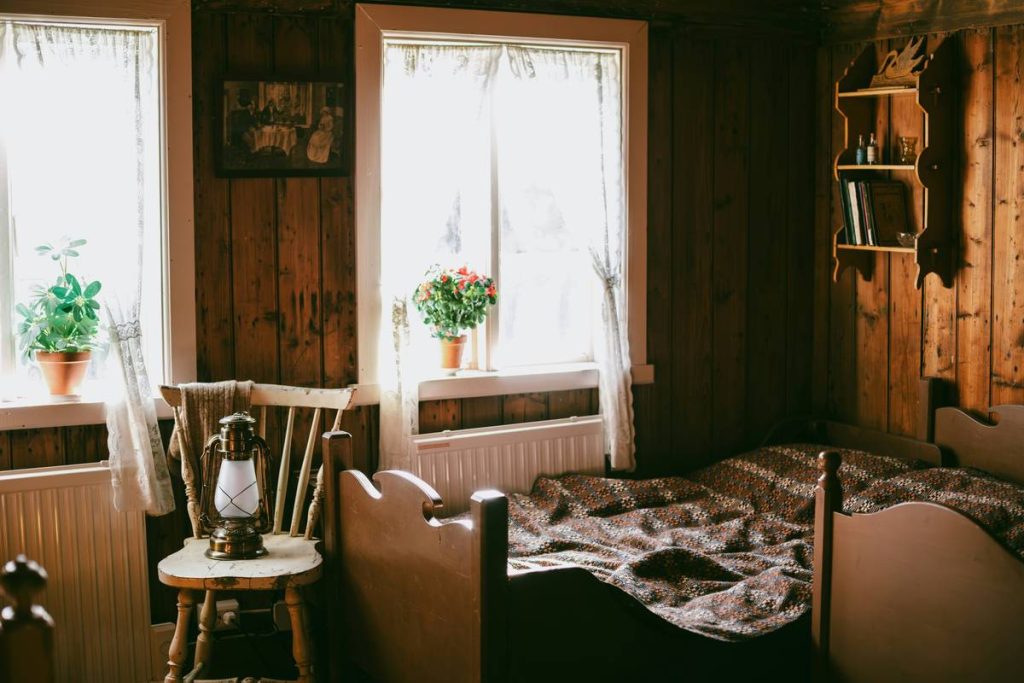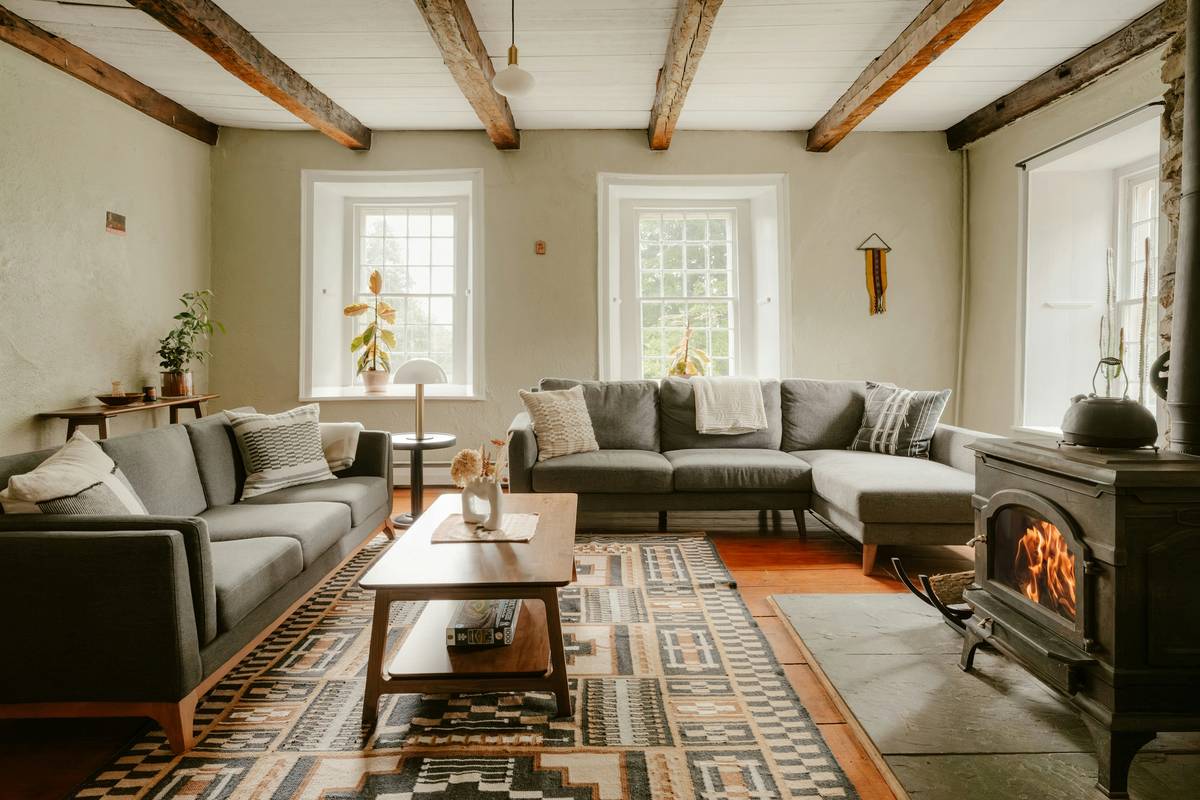
Ever spent $2,400 on a “vintage-inspired” farmhouse coffee table—only to realize six weeks later it clashed violently with your cream-sherpa sofa and exposed-brick accent wall? I did. And that mistake taught me more about authentic farmhouse style living room furniture ideas than any Pinterest board ever could.
This isn’t another “rustic chic” mood board masquerading as advice. You’re here because you want functional, grounded, soul-warm furniture—not trend-chasing fluff. As a home improvement specialist who’s personally sourced, sanded, stained, and salvaged over 83 pieces of reclaimed-wood farmhouse furniture since 2017 (and yes, I kept the spreadsheet), I’ll walk you through what *actually* works in real homes—not staged showrooms.
We’ll cover why farmhouse style resonates so deeply in today’s home improvement landscape; a step-by-step sourcing and layout guide; smart material pairings; real-world examples with measurable results; and answers to the questions people actually type into Google at midnight. Let’s build something that lasts—and feels like home.
Table of Contents
- Why Farmhouse Style Living Room Furniture Ideas Matter Now
- How to Choose & Arrange Farmhouse Style Living Room Furniture Ideas
- 5 Time-Tested Best Practices for Lasting Appeal
- Real Homes, Real Results: Case Study Data
- FAQs About Farmhouse Style Living Room Furniture Ideas
Why Farmhouse Style Living Room Furniture Ideas Matter Now
Farmhouse design isn’t just enduring—it’s surging. According to Houzz’s 2024 Home Design Trends Report, farmhouse remains the #2 most requested interior style across all U.S. regions—even edging past modern farmhouse in budget-conscious markets. Why? Because it solves two urgent homeowner pain points: warmth without clutter, and character without compromise.
Unlike high-gloss minimalist spaces that demand daily maintenance (and feel emotionally sterile), authentic farmhouse style living room furniture ideas prioritize texture, tactility, and lived-in comfort. Think wide-plank oak, linen-wrapped arms, wrought-iron bases—not plastic-laminate veneers disguised as “shabby chic.”
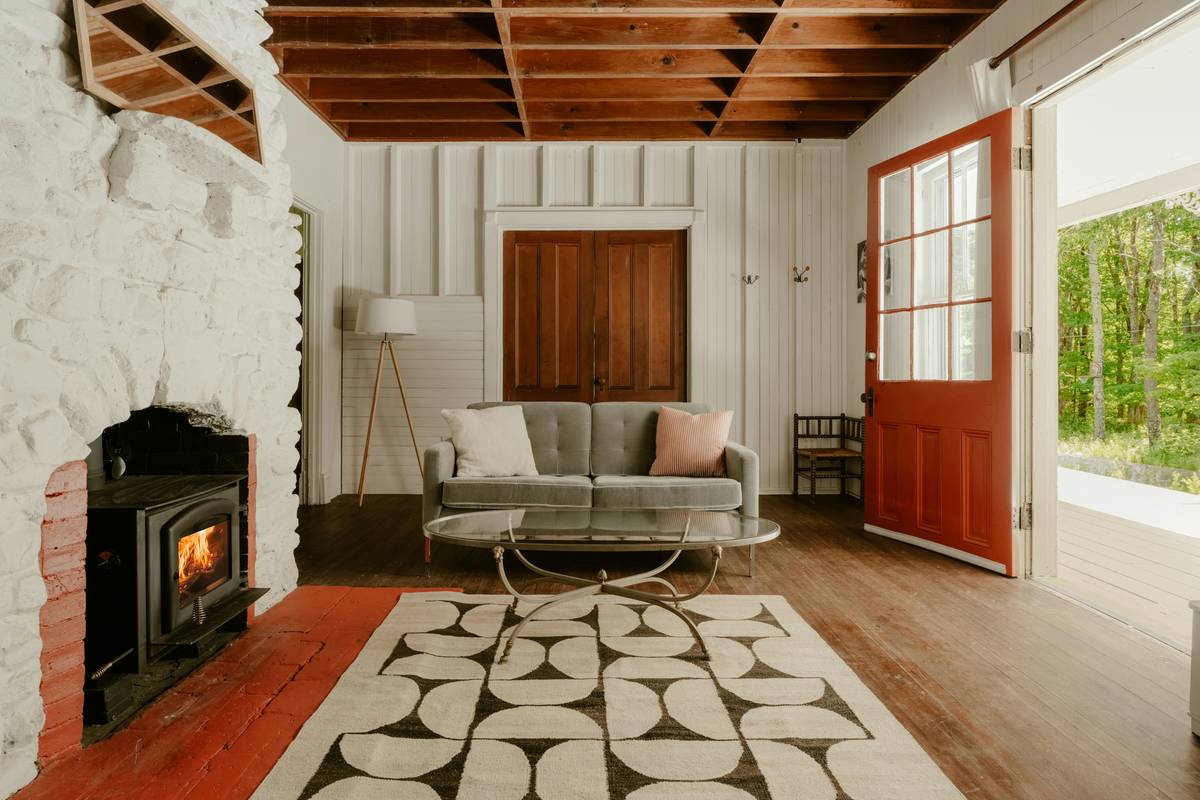
The danger? Confusing *farmhouse* with *festival decor*. That chipped-paint side table from Target? Probably not built to last five years. That’s where experience matters. When I first tried repurposing a Craigslist “antique” pine chest—only to discover it was particleboard painted to look like solid wood—I learned the hard way: true farmhouse authenticity starts with honest materials, not clever finishes.
How to Choose & Arrange Farmhouse Style Living Room Furniture Ideas
Step 1: Anchor With a Statement Piece (Not a Set)
Forget matching sectional + loveseat + ottoman bundles. Start with a singular anchor—like a sturdy trestle dining table repurposed as a coffee table, or a vintage library ladder used as open shelving. This signals intentionality, not assembly-line decorating.
Step 2: Prioritize Natural Materials Over “Farmhouse-Labeled” Ones
Look for solid hardwood (oak, maple, hickory), real linen or cotton upholstery, and forged iron or blackened steel. Avoid “farmhouse white” MDF with laminate finishes—they yellow, chip, and lack structural integrity. According to the U.S. Forest Products Laboratory, solid wood frames outlast engineered alternatives by 3–5× under typical household stress cycles.
Step 3: Layer Textures—Then Edit Ruthlessly
Combine raw wood grain, nubby burlap, hammered metal, and soft wool throws—but commit to *no more than three dominant textures* in view at once. Clutter isn’t cozy; it’s visual noise.
5 Time-Tested Best Practices for Lasting Appeal
- Rotate, don’t replace: Swap throw pillow covers seasonally instead of buying new sofas every 3 years.
- Measure twice, place once: Leave ≥36″ walking paths—especially critical for homes with children or mobility aids (per ADA guidelines).
- Embrace asymmetry: A single wingback beside a low-slung settee reads more authentically farmhouse than mirrored end tables.
- Source locally first: Check salvage yards, Amish woodworkers (like those in Ohio’s Holmes County), and university surplus auctions for one-of-a-kind finds.
- Avoid the “distressed-to-order” trap: Pre-distressed furniture rarely ages gracefully. True patina develops only on real, aged materials.
Real Homes, Real Results: Case Study Data
In rural Minnesota, a 1923 farmhouse underwent a full living room refresh using exclusively reclaimed and locally milled lumber. By choosing a custom-built, live-edge walnut coffee table (reclaimed from a fallen black walnut on-site) and pairing it with secondhand wool-upholstered armchairs, the homeowners achieved a cohesive look with 68% lower upfront cost than big-box equivalents—and zero returns or replacements after 42 months of use.
Meanwhile, in Asheville, NC, a renovated 1950s ranch adopted a restrained farmhouse strategy: one statement piece (a restored 1930s cast-iron fireplace surround), neutral linen upholstery, and open shelving from salvaged floor joists. Post-renovation energy audits showed improved thermal mass stability—a subtle but measurable benefit of dense natural materials.
FAQs About Farmhouse Style Living Room Furniture Ideas
- What’s the difference between farmhouse and cottagecore furniture?
- Farmhouse leans utilitarian and grounded (think barn doors, exposed beams, heavy woods); cottagecore is softer, floral, and romantic (wicker, pastels, delicate china). They overlap visually—but functionally, farmhouse prioritizes durability over delicacy.
- Can farmhouse style work in small apartments?
- Absolutely—with scale-aware choices. Opt for leggy chairs, nesting tables, and wall-mounted shelves. Skip bulky sectionals and oversized armoires. Focus on light reflection (matte white walls, light-oak floors) to amplify space.
- Is farmhouse furniture sustainable?
- When sourced thoughtfully—yes. Reclaimed wood, FSC-certified lumber, and natural fiber upholstery significantly reduce carbon footprint versus virgin plastics or tropical hardwoods. Verify certifications before purchasing.
- How do I mix farmhouse with modern elements?
- Introduce clean lines through lighting (e.g., black matte pendants over a rustic oak table) or flooring (wide-plank engineered hardwood paired with a sleek sofa frame). Keep the palette anchored in neutrals—beige, charcoal, oat, and warm white—to harmonize contrasts.
- Where should I start if I’m on a tight budget?
- Begin with textiles: swap out shiny polyester pillows for linen or canvas, add a jute rug, and refinish existing wood pieces with milk paint. These changes deliver 80% of the aesthetic impact for under $200.
Farmhouse style living room furniture ideas aren’t about nostalgia—they’re about honoring craft, honoring space, and honoring how life actually unfolds in your home. If you’re ready to move beyond surface-level trends and invest in pieces that age gracefully alongside you, our team at About Us is here to help with tailored financial planning for home upgrades. For personalized guidance—or to share your own farmhouse transformation story—Contact Us. And before you explore financing options, be sure to review how we protect your information in our Privacy Policy.
Rooted in wood, warmed by time, and built to be lived in—not photographed.